

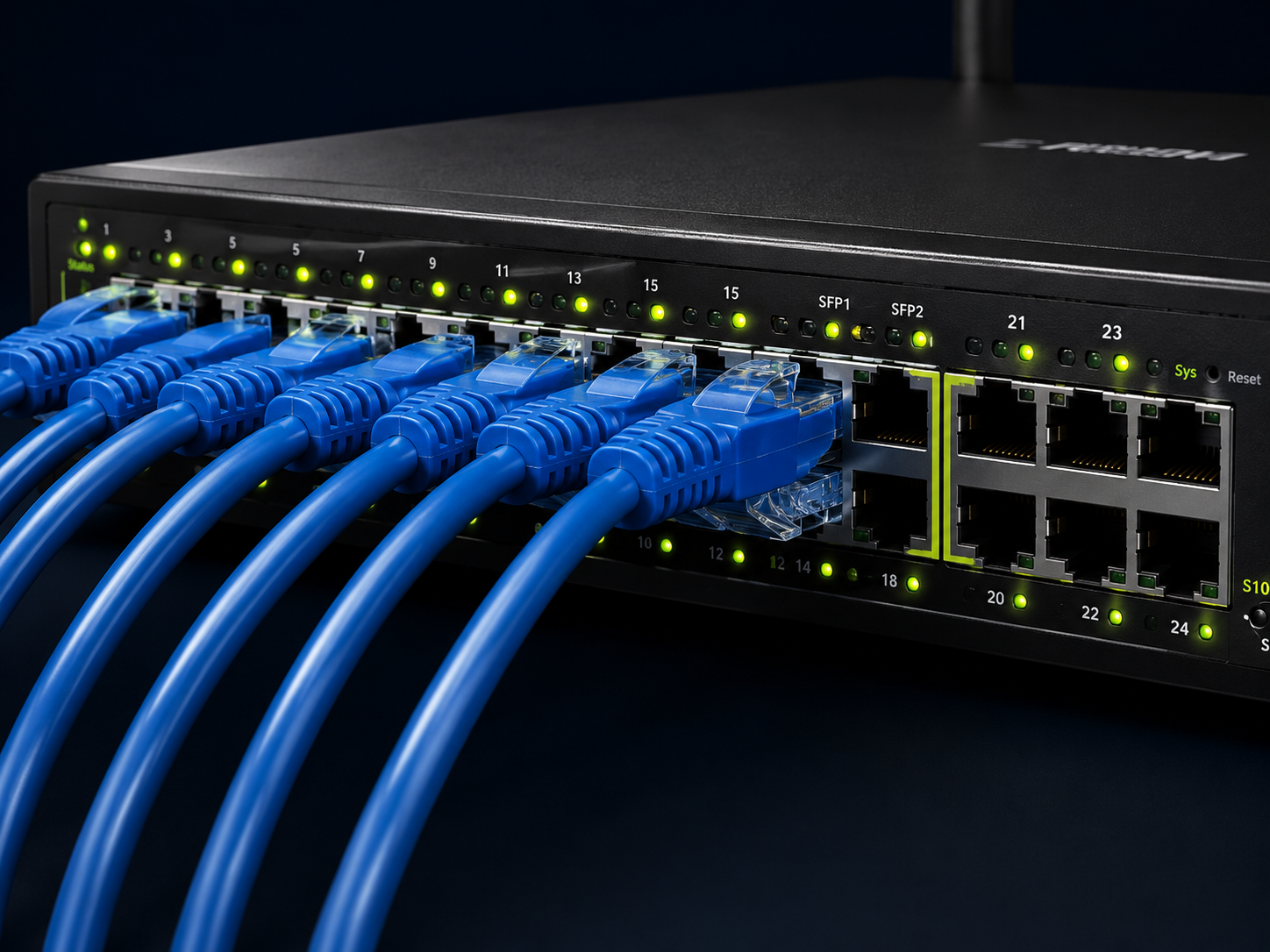

L2 & L3 Network Switch
| Feature | Details |
|---|---|
| Product Name | L2 & L3 Network Switch |
| System Type | Active Networking Device |
| Function | Data switching and network traffic management |
| Layer Support | Layer 2 (Data Link) & Layer 3 (Network) |
| Connectivity | Ethernet / Fiber Port Options |
| Features | VLAN, Routing, Switching & Traffic Control |
| Management | Managed & Smart Management Options |
| Application | Data Centers, Enterprises, Industries & Offices |
Description
An L2 and L3 Network Switch is a high-performance networking device designed to provide efficient data communication, traffic management, and connectivity within modern IT infrastructures. These switches combine Layer 2 switching capabilities with Layer 3 routing functions, offering enhanced flexibility, scalability, and control for enterprise networks, data centers, and industrial environments.
A Layer 2 (L2) Network Switch operates at the Data Link Layer and primarily manages communication within a local area network (LAN). It uses MAC addresses to forward data packets between connected devices and supports features such as VLAN segmentation, MAC address learning, link aggregation, and network loop prevention. L2 switches are commonly used for connecting computers, servers, IP cameras, and other network devices within the same network segment.
A Layer 3 (L3) Network Switch combines switching and routing capabilities by operating at the Network Layer. In addition to standard switching functions, it can perform IP routing between different networks or VLANs, enabling faster and more efficient communication without requiring a separate router. L3 switches support advanced features such as static routing, dynamic routing protocols, access control lists (ACLs), and enhanced network security.
L2 and L3 switches are widely deployed in enterprise offices, data centers, campuses, industrial networks, and large-scale IT environments. With high-speed performance, intelligent traffic management, and scalable architecture, these switches provide a reliable foundation for building secure, efficient, and future-ready network infrastructures.
Related products
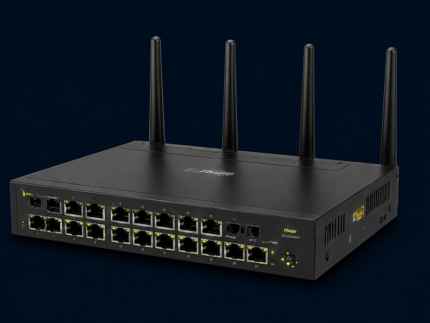
Active Networking
| Feature | Details |
|---|---|
| Product Name | Active Networking |
| System Type | Network Communication Infrastructure |
| Function | Data transmission and network connectivity |
| Components | Switches, routers, access points, firewalls & gateways |
| Technology | Ethernet, Wi-Fi, IP Networking |
| Management | Managed & unmanaged solutions |
| Application | Offices, data centers, industries & enterprises |
| Benefits | High-speed, reliable & scalable connectivity |
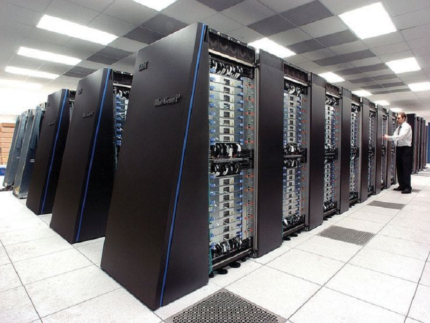
Data Centre Containment System
| Feature | Details |
|---|---|
| Product Name | Data Centre Containment System |
| System Type | Data Center Cooling & Airflow Management Solution |
| Function | Controls hot and cold air flow within data centers |
| Design | Hot Aisle / Cold Aisle Containment |
| Components | Panels, doors, roofs, partitions & airflow accessories |
| Benefit | Improved cooling efficiency & energy savings |
| Application | Data Centers, Server Rooms & IT Facilities |
| Compatibility | Racks, HVAC & Cooling Systems |
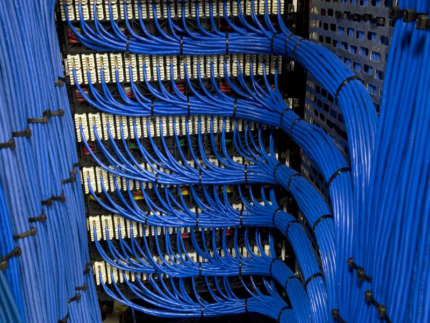
Structured Cabling
| Feature | Details |
|---|---|
| Product Name | Structured Cabling System |
| System Type | Network Infrastructure Solution |
| Function | Organized data, voice & communication connectivity |
| Components | Cables, patch panels, racks, switches & outlets |
| Cable Types | Copper & Fiber Optic Cabling |
| Standards | TIA/EIA & ISO/IEC compliant |
| Application | Offices, data centers, industries & enterprises |
| Benefits | Reliable, scalable & easy maintenance |